
Are you feeling a bit overwhelmed by the "alphabet soup" of health insurance? You aren't alone. Between PPO, EPO, HMO, and POS plans, it’s enough to make anyone’s head spin, especially when you’re just trying to make sure your family is covered and your favorite doctor is still in-network.
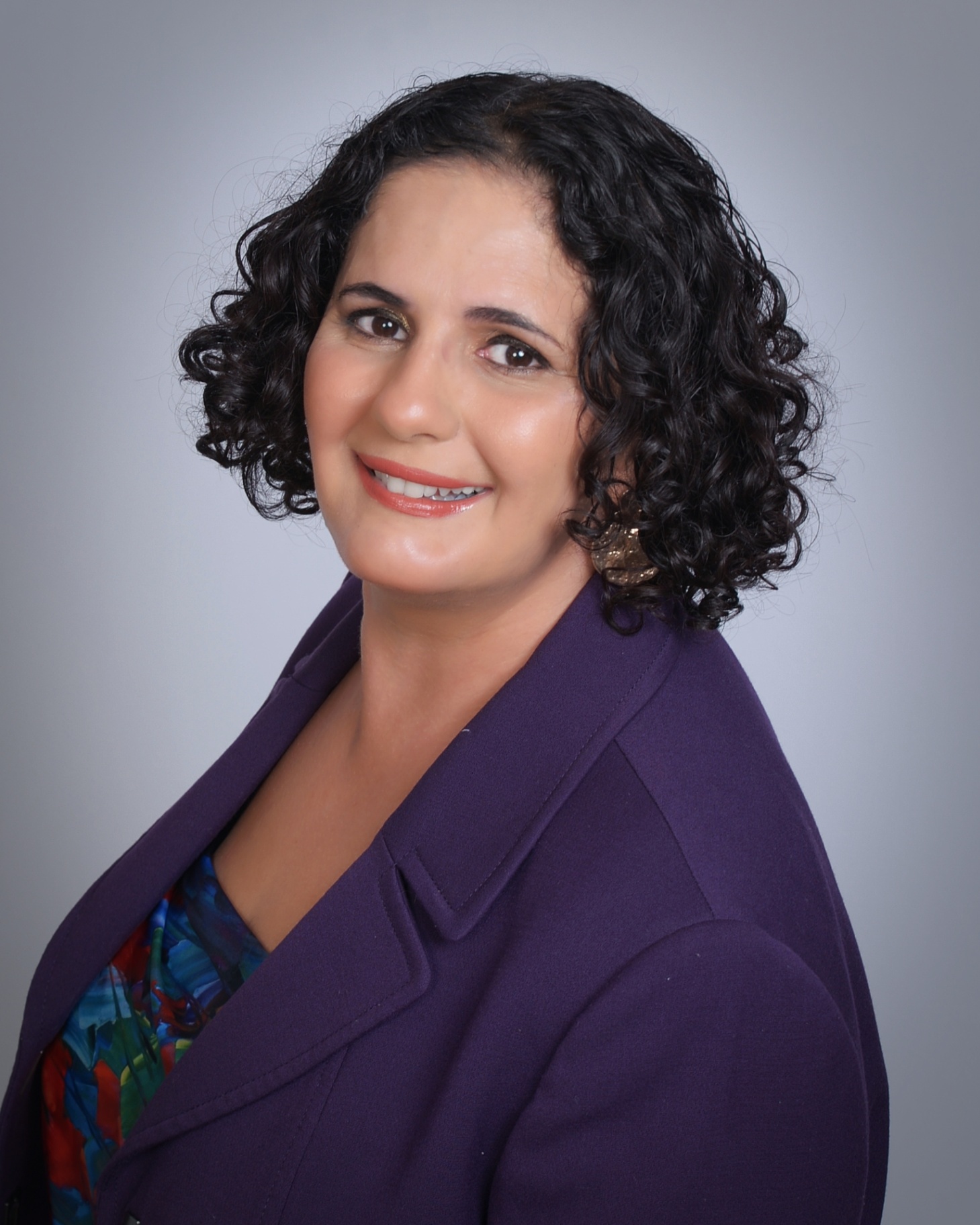
Hi, I’m Anna Davis, CEO of Peace & Grace Insurance Services. For over 10 years, we’ve been helping our neighbors across California navigate these tricky waters. We’ve seen it all, and we know that choosing the wrong acronym can lead to some very expensive surprises.
When you’re looking at your options on Covered California or through a private carrier, you’ll likely see two main contenders: the PPO and the EPO. They look similar on paper, but making the wrong choice could leave you footing a massive bill.
Let’s break down the most common mistakes people make so you can choose with confidence and "Peace & Grace."
Mistake #1: Assuming an EPO is Just a "Cheaper" PPO
This is probably the biggest trap we see. You look at the monthly premiums, see that the EPO (Exclusive Provider Organization) is $50 or $100 cheaper a month than the PPO (Preferred Provider Organization), and you think, "Great! I’ll save some money."
But here is the catch: EPO plans generally offer zero coverage for out-of-network providers.
If you have a PPO and you decide to see a specialist who isn't in your network, the insurance company will usually still pay something toward that bill (though you’ll pay more than if you stayed in-network). With an EPO, if you go out-of-network for anything other than a true emergency, you are responsible for 100% of the bill.
The Lesson: If you have a specific doctor you love, or a specialist you visit in a different city, say, you live in Riverside but see a specialist in Los Angeles, you must verify they are in that specific EPO network before you sign up.
Mistake #2: Thinking You Need a Referral for an EPO
Many people confuse an EPO with an HMO (Health Maintenance Organization). In an HMO, you usually need a "gatekeeper", a primary care physician who has to write you a referral before you can see a specialist like a dermatologist or a cardiologist.
Common Misconception: "I don't want an EPO because I don't want to deal with referrals."
In reality, neither PPO nor EPO plans usually require a referral to see a specialist. As long as the specialist is in the network, you can just call them up and make an appointment. This flexibility is one of the best features of an EPO, and it’s why they are becoming so popular in California. You get the lower price of a restricted network without the "red tape" of an HMO.
Mistake #3: Not Considering Your Travel Plans
Do you spend your summers in Oregon or visit family in Texas frequently? This is where your plan choice really matters.
Because a PPO has a "Preferred" network but still allows for out-of-network usage, it offers much more "portability." If you get sick while traveling, a PPO gives you more options for care that will at least be partially covered.
An EPO, however, is very localized. While emergency room visits are covered anywhere under the Affordable Care Act rules, a simple "urgent care" visit for a sinus infection while you're out of state might not be covered at all under an EPO.
Real-Life Scenario: Imagine Mr. Hernandez from Fresno. He chose an EPO because it saved him $80 a month. While visiting his grandkids in San Diego, he developed a painful ear infection. He went to a local urgent care that wasn't in his Fresno-based EPO network. Because it wasn't a life-threatening "emergency," his insurance denied the claim, and he had to pay $250 out of pocket. That one visit wiped out three months of premium savings!

PPO vs. EPO: A Quick Side-by-Side Comparison
To make things simple, here is how these two stack up:
| Feature | PPO (Preferred Provider Org) | EPO (Exclusive Provider Org) |
|---|---|---|
| Monthly Premium | Generally Higher | Generally Lower |
| Out-of-Network Coverage | Yes (at a higher cost to you) | No (except for emergencies) |
| Referrals Required? | No | No |
| Network Size | Usually larger/national | Usually smaller/local |
| Best For... | Those wanting maximum flexibility | Those who are cost-conscious |
3 Essential Tips for California Health Shoppers
As an expert who has served California for over a decade, I want to give you three pieces of "insider" information to help you decide:
- Check the "Formulary": This is a fancy word for the list of covered drugs. Sometimes an EPO might have a different drug list than a PPO, even from the same insurance company. Make sure your prescriptions are covered!
- Look at the MOOP: This stands for Maximum Out-Of-Pocket. This is the absolute most you will pay in a year for covered services. Sometimes, an EPO has a lower MOOP than a PPO, which might actually make it a safer financial choice if you know you have a surgery coming up.
- Verify the "Tier": In California, we have Bronze, Silver, Gold, and Platinum plans. A Silver EPO might actually be a better value than a Bronze PPO because of the way cost-sharing reductions work.
At Peace & Grace Insurance Services, we are a Christian-led company. We believe in treating our clients like family, which means we won't just sell you a plan, we’ll educate you on why it fits your life. Our A+ rating with the BBB is something we worked hard for by being honest and transparent with every single person who walks through our doors.

Beyond Health: Protecting the Rest of Your Life
While we’re talking about health insurance, don't forget that your physical health is only one part of your family's security. A great health plan covers the doctor bills, but what about the "what ifs"?
- Dental Health: Many health plans don't include adult dental. We highly recommend a solid Dental PPO so you can keep your favorite dentist. You can enroll in NCD Dental right here.
- Life Insurance: If 2020 taught us anything, it’s that life is unpredictable. Protecting your family’s future with a term or whole life policy is an act of love. Check out your options with Ethos Life here.
Frequently Asked Questions (FAQ)
1. Can I switch from an EPO to a PPO anytime?
Usually, no. In California, you can generally only switch during Open Enrollment (late fall) or if you have a Qualifying Life Event (like getting married, having a baby, or moving).
2. Are EPO networks always smaller?
Often, yes. Insurance companies create EPOs by picking a specific group of high-quality, lower-cost providers. This is how they keep the premiums lower for you.
3. Is Blue Shield or Kaiser an EPO?
Kaiser is actually an HMO. Companies like Blue Shield of California and Anthem offer both PPO and EPO plans, so you have to look closely at the specific plan name!
4. Does "Exclusive" mean better?
In this case, "Exclusive" just means you are excluded from going out of the network. It’s a marketing term that sounds fancy but actually means "restricted."
Still Not Sure Which Path to Take?
Choosing between a PPO and an EPO is a big decision. You’re balancing your budget against your need for flexibility. If you're in California and need someone to look at your specific doctors and medications to see which plan actually fits, we’re here to help.
We offer personalized consultations to make sure you aren't overpaying for coverage you don't need: or under-insuring yourself against a crisis.
Ready to find your perfect plan?
- For Covered California or individual health plan help: Schedule a consultation here.
- For Medicare questions (especially about PPO vs. HMO options for seniors): Book your appointment here.
We look forward to serving you with the peace and grace you deserve!